
Orthotics and Prosthetics Advice
Clinician-written answers to the questions patients ask us most about orthotics and prosthetics.
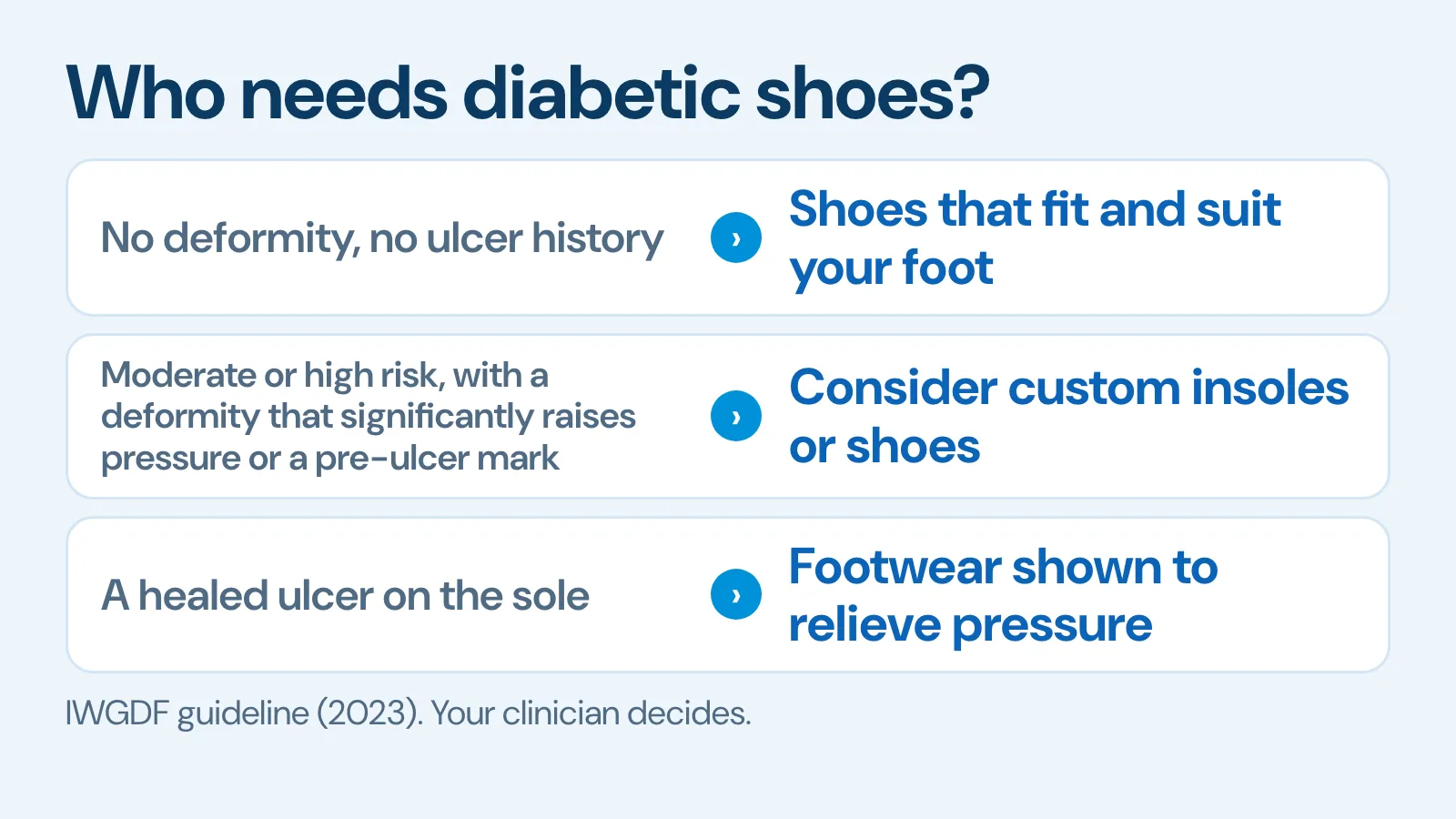
Do I Need Diabetic Shoes or Insoles?
Not everyone with diabetes needs special shoes. Lost feeling or poor circulation can change that, more so with a change in foot shape or a past ulcer. What the guideline says about shoes and insoles, and the signs that need a doctor today.
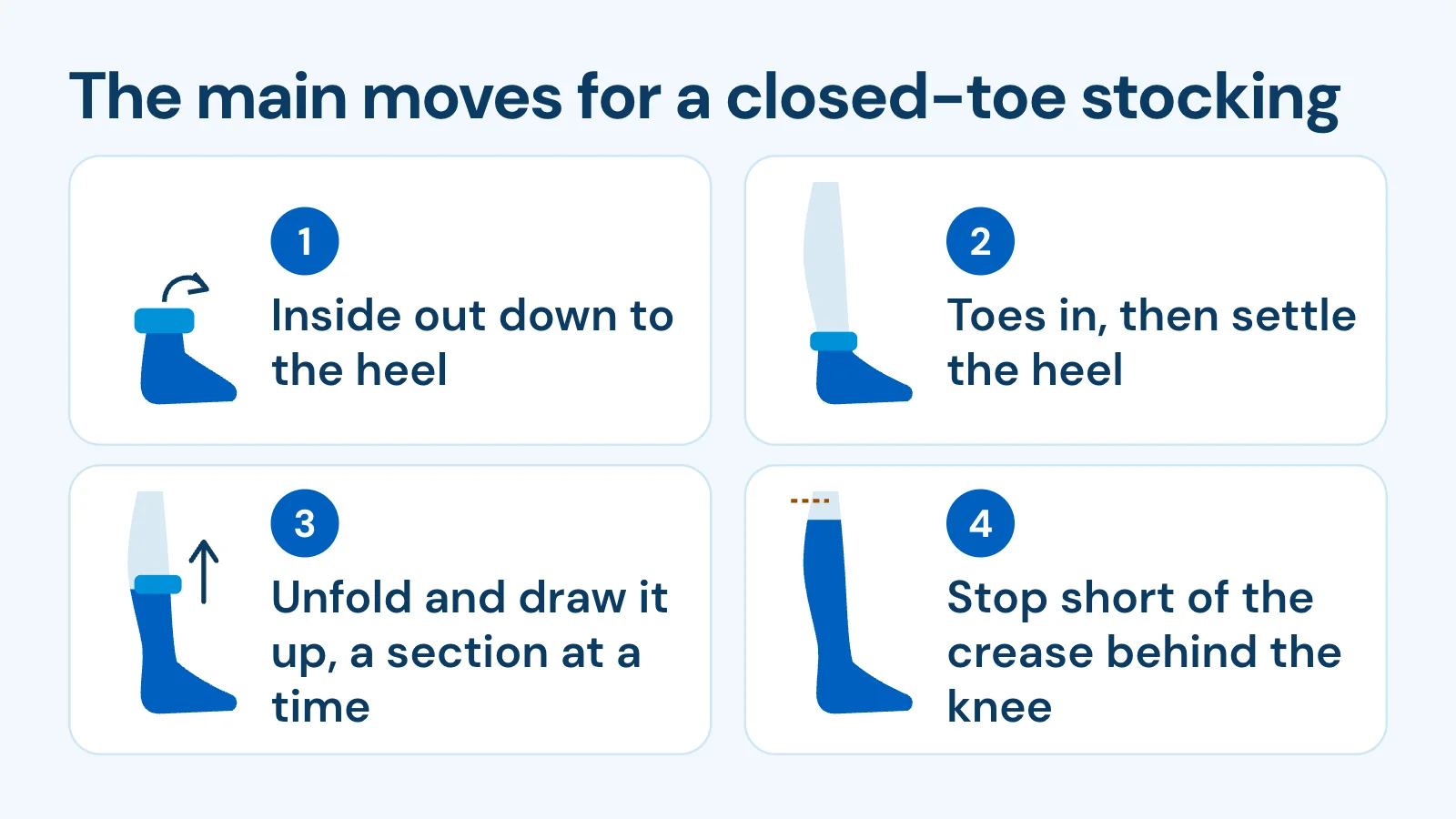
How to Put On Compression Stockings Without a Struggle
Turn the stocking inside out to the heel, settle your foot first, then work it up a section at a time. The NHS method step by step, what makes it easier, how to take stockings off, and the signs that mean something's wrong.
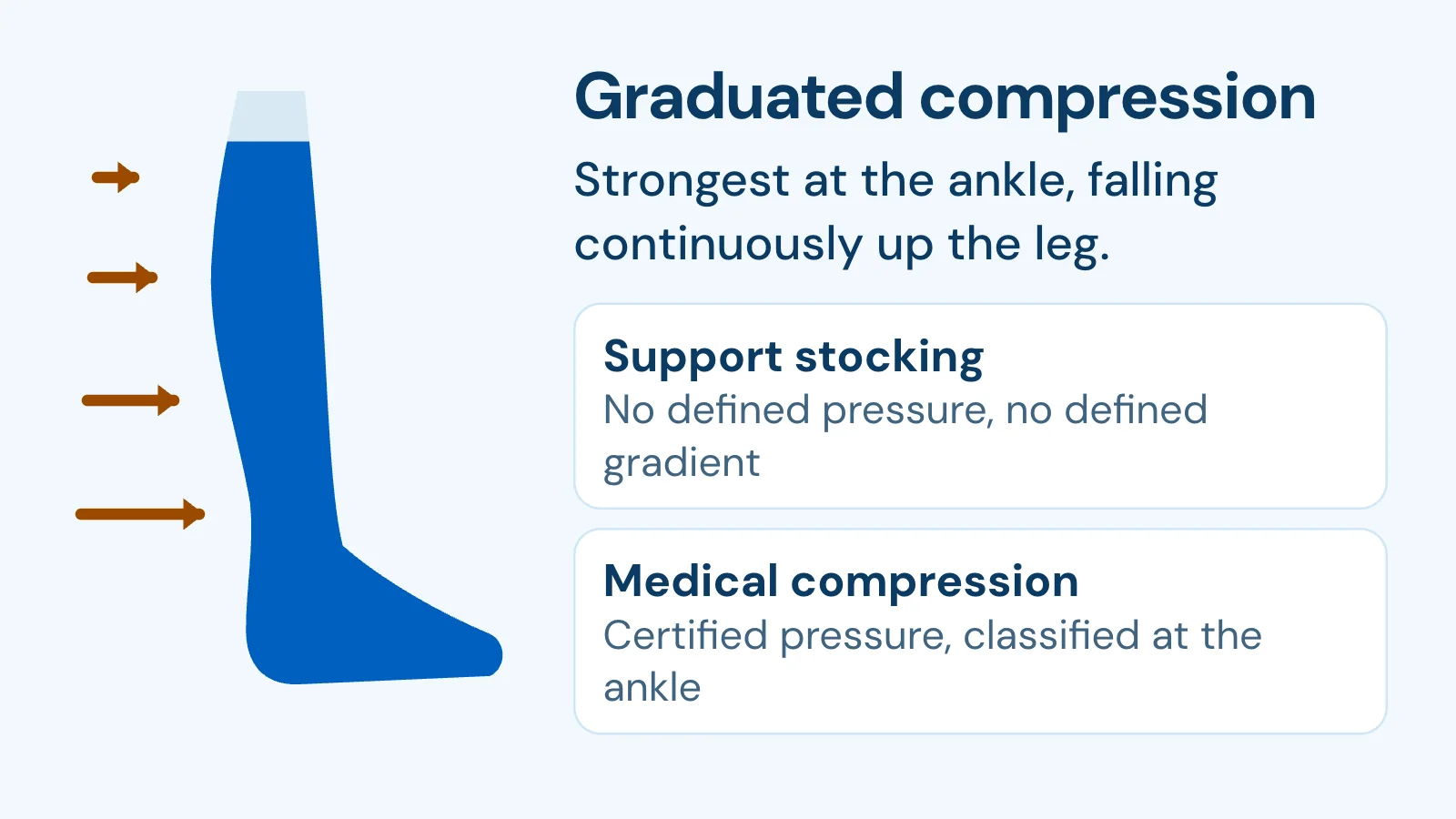
Support Stockings vs Compression Stockings: What Is the Difference?
A support stocking has no defined pressure and no defined gradient; a medical compression garment has both, certified at the ankle and sized from measurements of your leg. For tired legs and long flights the pharmacy pair is genuinely the right buy, and here is exactly where that stops being true.

Child Walking on Toes: When Should You Worry?
Toe walking, bow legs, knock knees and flat feet each have a normal age window, and most children grow out of them with no device at all. This covers what's normal at each age, which signs need an assessment, and what treatment involves when a child does need it.

How to get a prosthetic leg in South Africa without medical aid
If you cannot pay privately, the public health system is your route, and for fully subsidised patients a prosthesis costs nothing. Here is how referral, PMBs, COIDA, the RAF and the few verifiable donor programmes actually work.
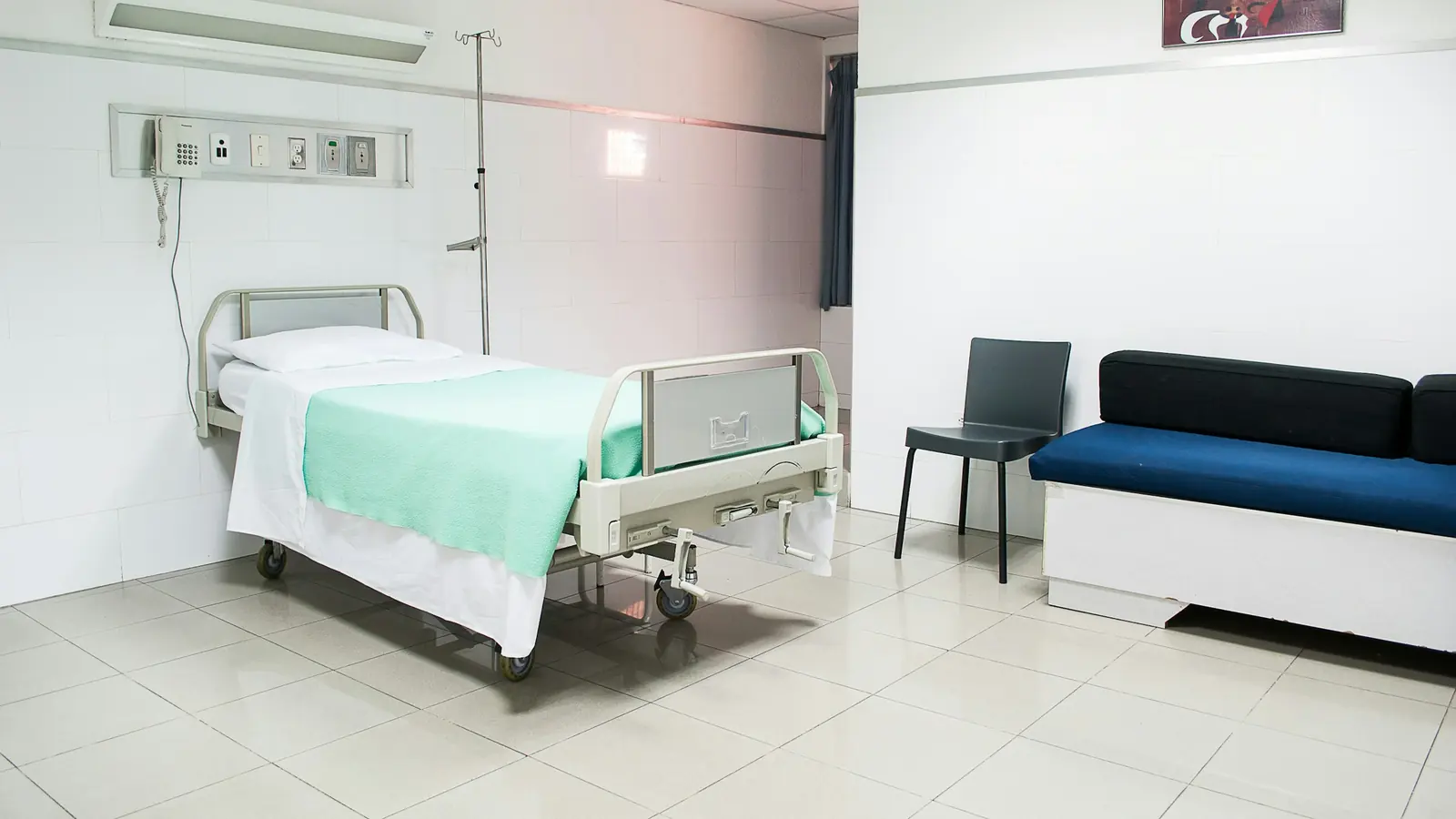
Do Orthotists Do Home Visits? What Happens at a Home or Bedside Appointment
Yes, orthotists do home visits. Assessment, measuring, casting and most fittings can all be done in your own home or at a hospital bedside. Only the making of a custom device needs a workshop.
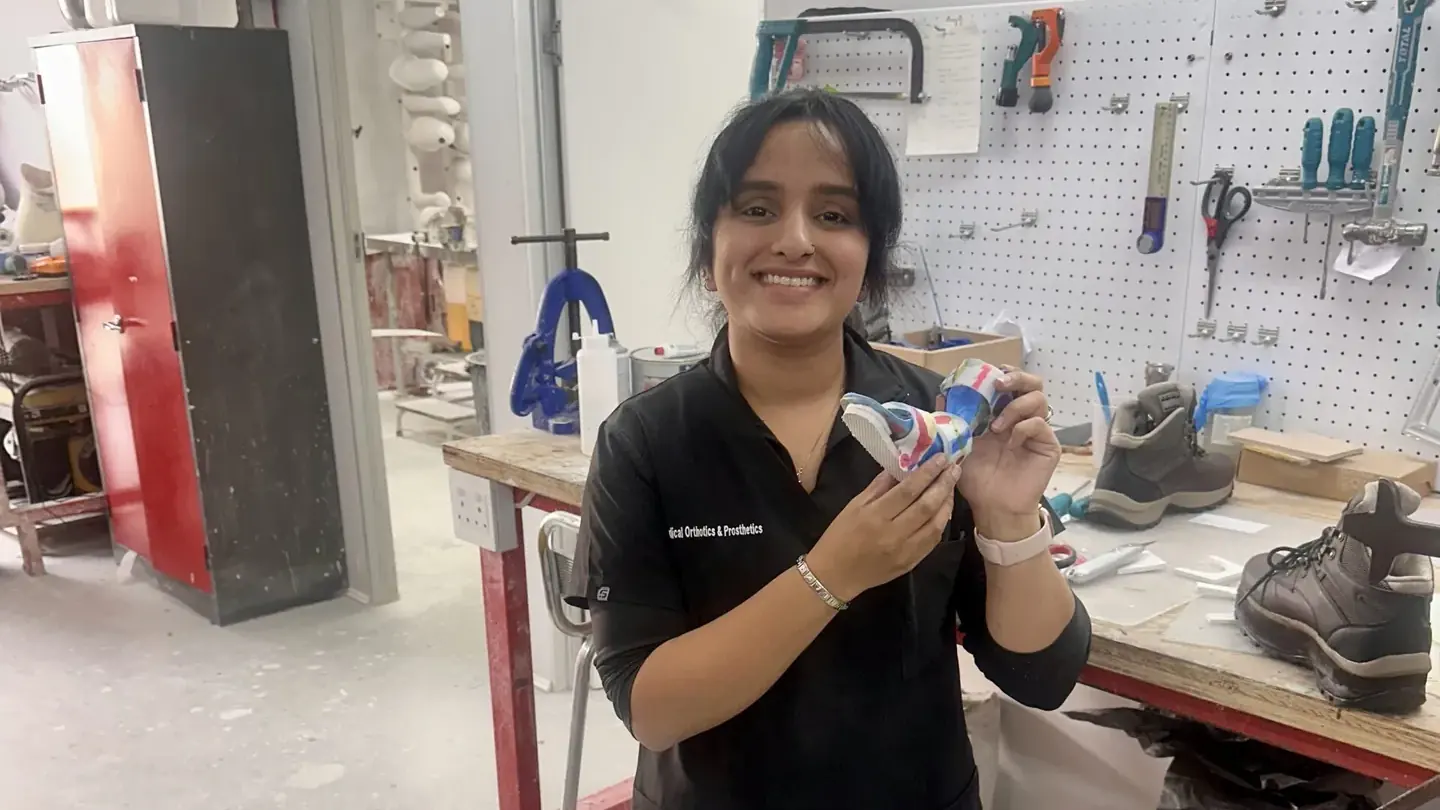
Do I Need a Referral to See an Orthotist or Prosthetist in South Africa?
You can book directly with an HPCSA-registered orthotist or prosthetist in South Africa without a referral. It's medical aid funding, not the consultation, that usually needs a doctor's prescription.
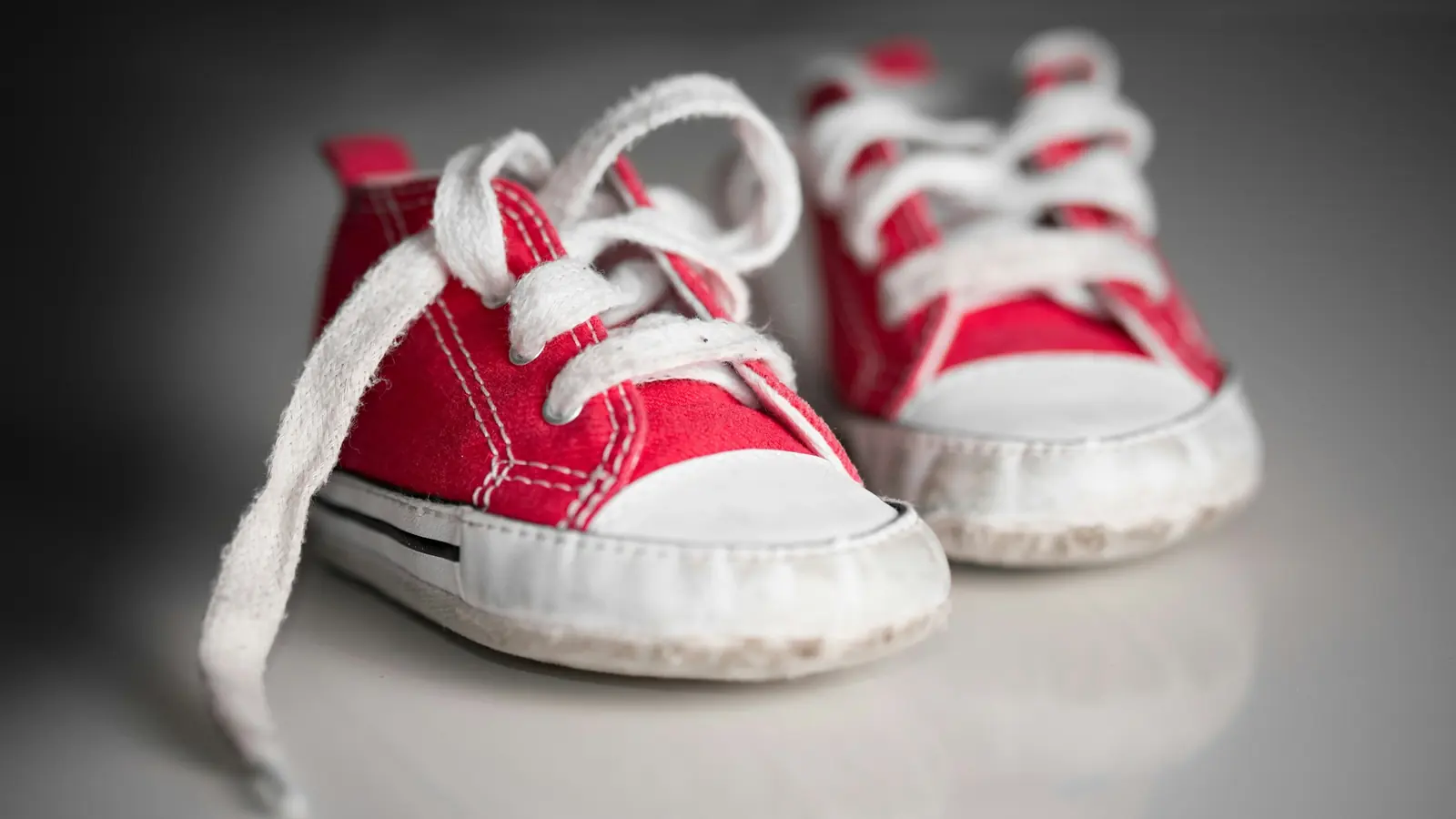
Does my child need orthotics for flat feet?
Most children with flat feet need nothing more than time and sensible shoes. Here's how to tell the difference between a normal stage of development and the red flags that warrant an assessment.
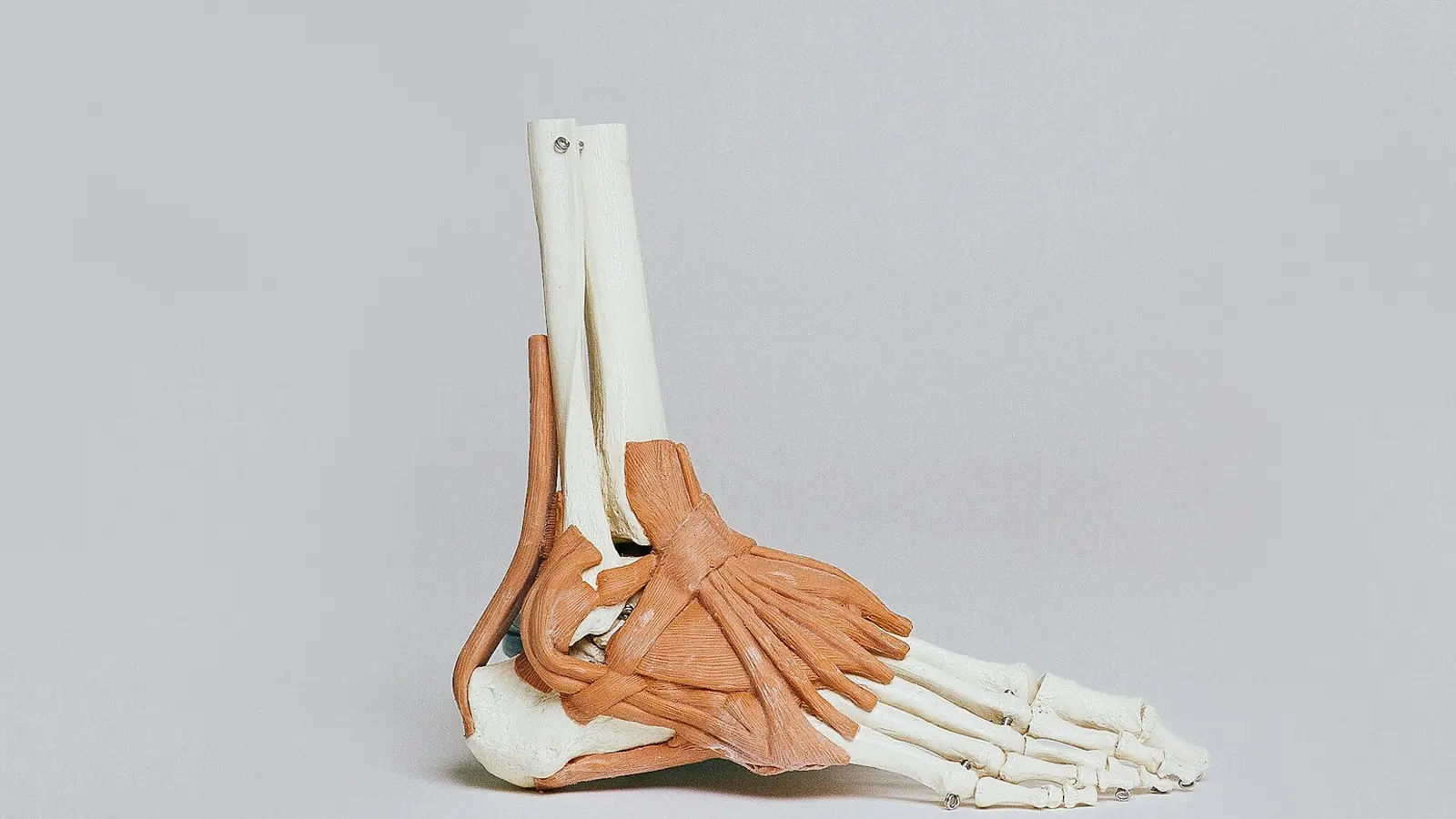
Can Orthotics Fix Flat Feet Permanently?
Orthotics can ease the pain and strain of flat feet, but they don't reshape an adult arch permanently. Here's what the evidence actually says, and when flat feet need proper treatment.

Are Custom Orthotics Worth It?
The honest, evidence-based answer is: it depends on why your feet hurt. Here's when a pharmacy insole is genuinely enough, and when a clinician-assessed custom orthosis is worth the extra cost.
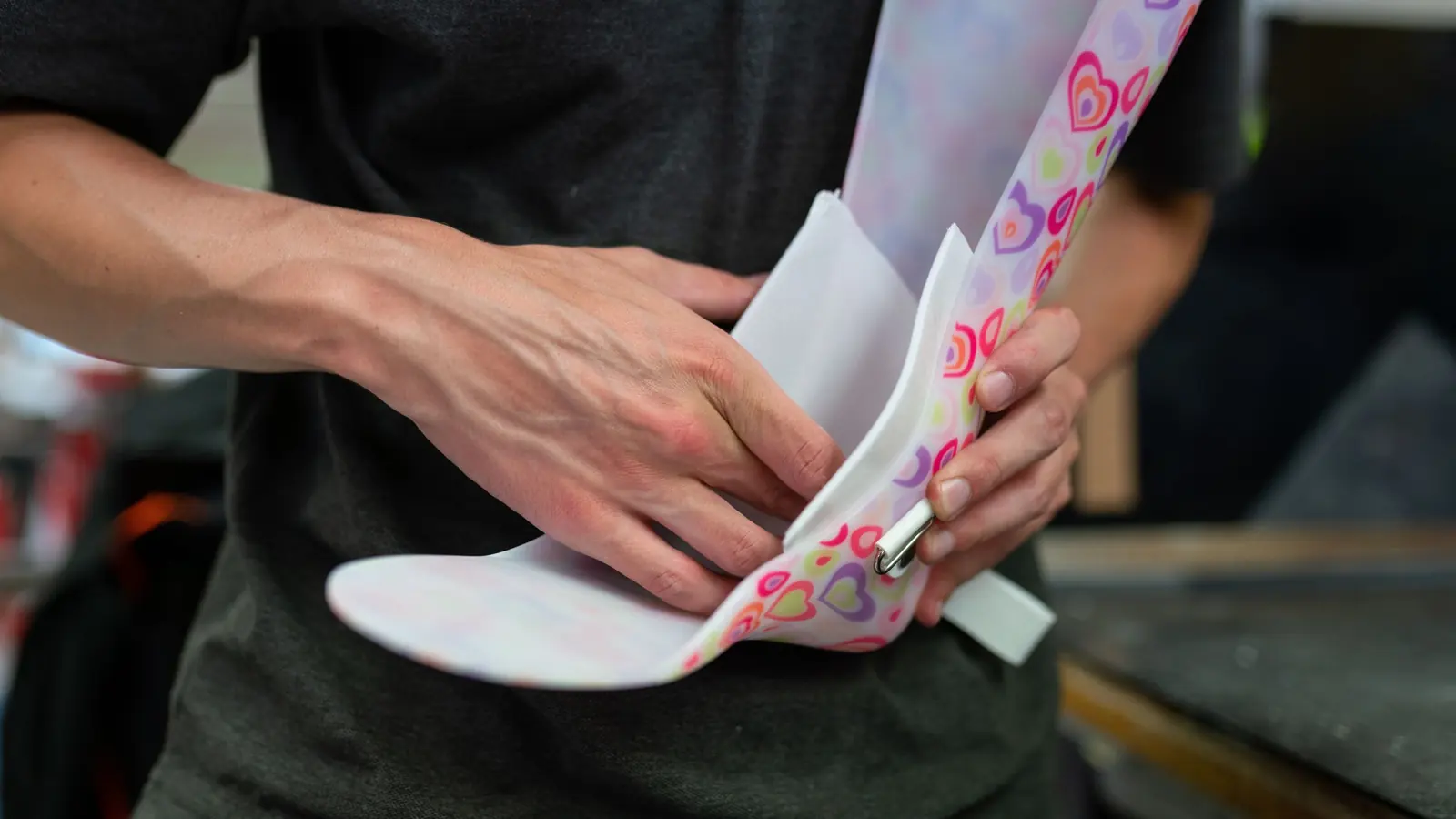
How Much Do Custom Orthotics Cost in South Africa?
There's no single national price list for custom orthotics in South Africa. Pricing is built around your assessment, casting method and materials. Here's what actually drives the cost, and how medical aid funding for orthotic insoles usually works.
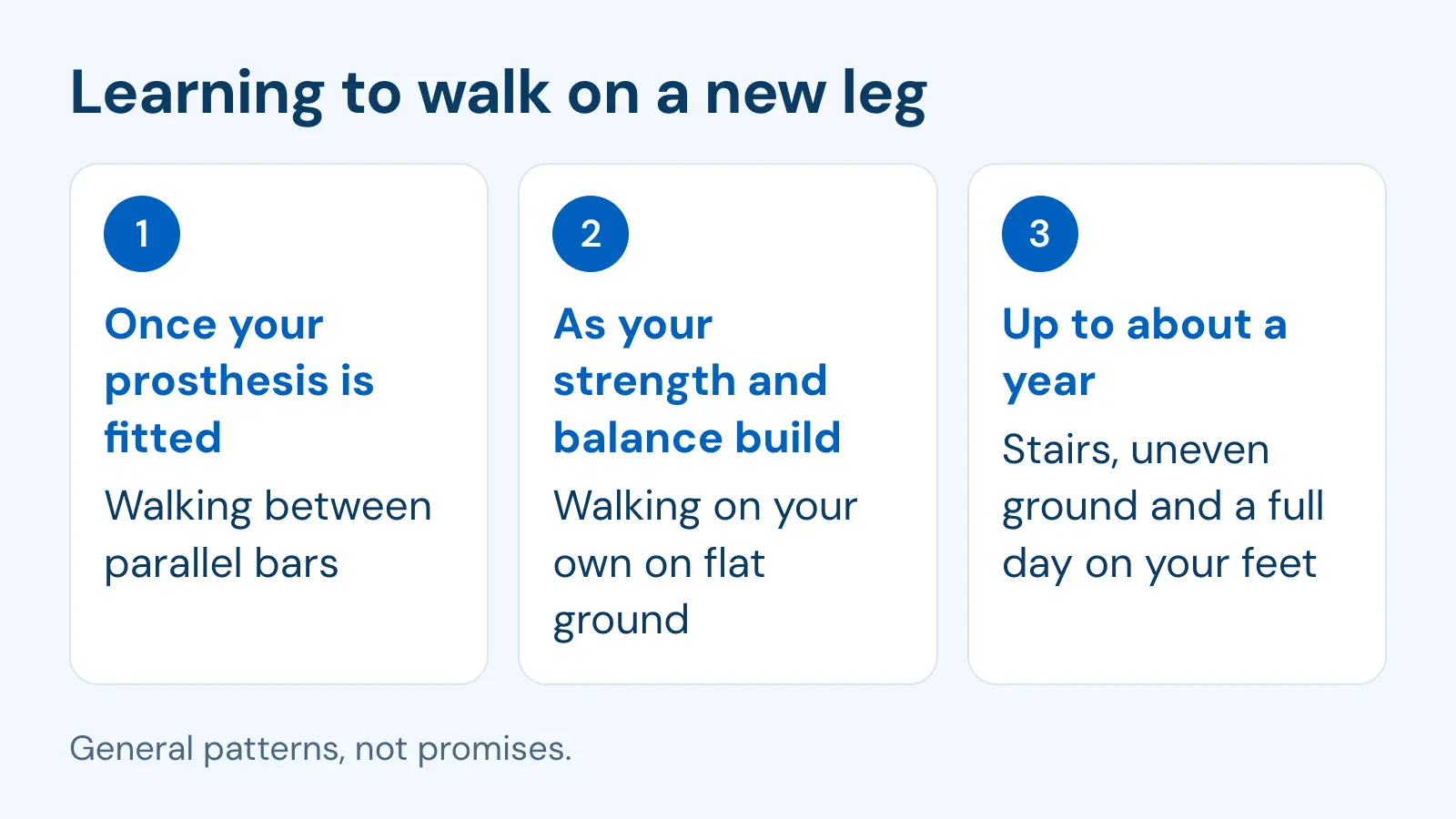
Can you walk normally with a prosthetic leg, and how long does it take to learn?
Many people learn to walk again with a prosthetic leg, though "normal" looks different for everyone. Here's what shapes the timeline, and what physio and prosthetic rehab actually involve.
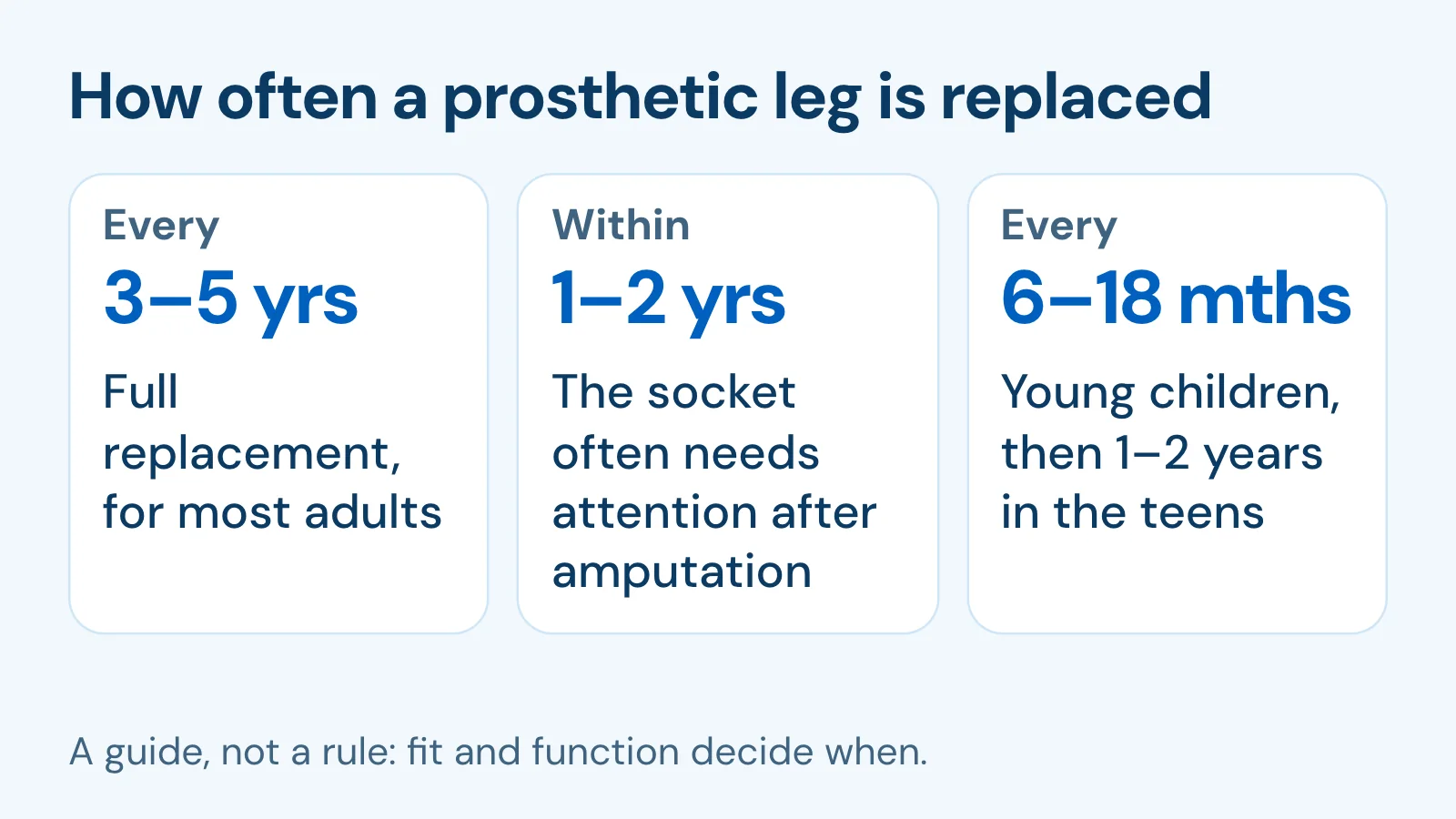
How long does a prosthetic leg last and how often should it be replaced?
A prosthetic leg typically lasts three to five years, but the socket often needs attention much sooner. Here's what determines your timeline, and how to plan a replacement around your medical aid's benefit year.
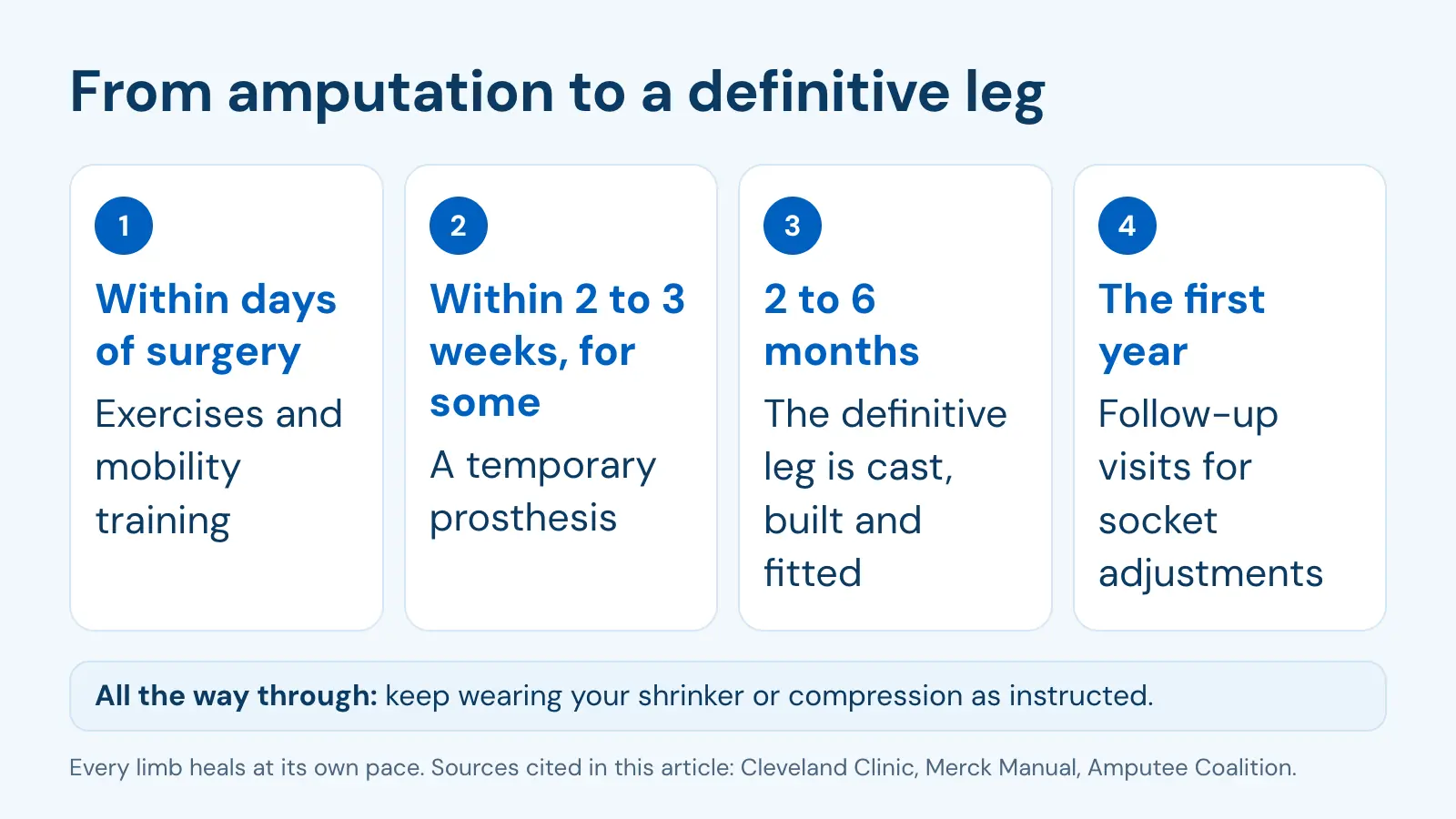
How long after an amputation can I get a prosthetic leg?
Wound healing, shrinkers and an interim prosthesis come first. A definitive prosthetic leg is usually fitted somewhere between two and six months after surgery.

Does Medical Aid Cover Prosthetics and Orthotics in South Africa?
Most South African medical aids do cover prosthetics and orthotics, but the rand amount, the paperwork and the co-payment can catch patients off guard. Here is how the funding actually works.

How much does a prosthetic leg cost in South Africa?
Prosthetic leg costs in South Africa vary by component level and funding route. Here is what drives the price, why it is quoted per patient, and how medical aid, the RAF and COIDA fit in.