
Medical Compression Garments and Stockings
Graduated compression stockings, compression pantyhose and made-to-measure compression garments: measured, prescribed and fitted by a qualified orthotist. Compression class A through class 3, below-knee (BK) through to pantyhose.
Compression assessments at the Morningside rooms, at home, or at the hospital bedside across Gauteng.
Graduated compression profile
Pressure is highest at the ankle and eases up the leg. That gradient is what moves fluid in the right direction.
A compression practice, not a compression shelf
Compression works when it is measured, prescribed and reviewed
A compression garment is a medical device with a dose. The right compression, in the right class, in the right length, worn every day, changes how a leg looks and feels; the wrong one does nothing at all, and can do harm.
Compression is prescribed, not picked
Class, length, knit and stiffness are four separate clinical decisions. Getting one wrong is the difference between a garment that controls your swelling and a garment that lives in a drawer.
Measured on the leg, in the morning
Every compression garment we dispense is built from measurements taken at each landmark the garment is knitted to, before the leg has had the day to swell.
Screened before anything is fitted
Arterial supply, skin integrity and sensation are checked first. Compression is powerful treatment, and it is not safe for every leg. Screening for that is part of the fitting.
Reviewed, remeasured, replaced
Legs change as swelling settles and fabric loses pressure at around six months. Compression is managed as ongoing care, not a once-off purchase.
The principle
How graduated compression actually works
Blood has to travel from your feet back up to your heart against gravity. It is pushed there by the calf muscle pump and held in place by a series of one-way valves. When those valves leak or the pump is not working, blood and fluid pool in the lower leg, and that is where the aching, heaviness and swelling come from.
A graduated compression garment applies its strongest pressure at the ankle and progressively less as it moves up the leg. That falling gradient narrows the veins, helps the valves close properly and gives the calf muscle something firm to work against, so each step pushes fluid upwards instead of letting it settle.
This is also why compression is measured in millimetres of mercury (mmHg) at the ankle, and why compression is worn from the moment you get up. Putting a garment on a leg that has already swollen is treating the problem after it has happened.
| Measuring point | Pressure remaining |
|---|---|
| Ankle (point B) | 100% (the reference) |
| Calf (point C) | 50 to 80% |
| Thigh (points F and G) | 20 to 60% |
Compression classes
Class A to Class 3: what each level of compression is for
Compression strength is described in classes, and each class is a defined pressure range measured at the ankle. Select a class to see what it feels like and what it is prescribed for.
Class 2 · Moderate compression
23 – 32mmHg
Measured at the ankle, where compression is highest
The most frequently prescribed class for lower-limb venous and lymphatic conditions, and the usual starting point after vein surgery or a confirmed diagnosis.
How it feels
Firm and unmistakably supportive. Most people manage it comfortably once they are shown the correct application technique.
Typically prescribed for
- Pronounced varicose veins
- Moderate oedema and chronic venous insufficiency
- After deep vein thrombosis or superficial thrombophlebitis
- After sclerotherapy or varicose vein surgery
- Mild to moderate lymphoedema and lipoedema maintenance
Classes follow the European RAL standard used by the compression garments dispensed in South Africa, and the pressure quoted is always the pressure at the ankle. Class 4 compression (over 49 mmHg) and clinician-applied multi-layer compression bandaging are available on request. Your compression class is confirmed at assessment, never chosen from a shelf.
Compression lengths & styles
Below-knee, above-knee, thigh-high or pantyhose
The rule is simple: the compression garment has to cover everything that swells. Choose a length to see exactly where it stops on the leg.
Compression is always strongest at the ankle
Length AD · known locally as BK
Below-Knee Compression Stocking
Foot to just below the knee
The most commonly fitted compression length and the easiest to apply independently. It sits two finger-widths below the knee crease so it cannot roll or cut in behind the knee when you sit.
Best suited to
- Swelling and venous symptoms confined below the knee
- Patients who apply their own garments
- Everyday wear in a warm climate
- Venous leg ulcer management and prevention
Open toe or closed toe? Every lower-limb compression length above is available with either. A closed toe is warmer and more cosmetic; an open toe suits long feet, sore toes, arthritic toes, or anyone using a slide-on application aid. Both are fitted from the same leg measurements.
Compression construction
Circular-knit or flat-knit compression?
Two compression garments can carry the same class and behave completely differently. How the fabric is knitted decides how it holds a limb, and it is the decision most often got wrong.
Circular-knit compression
Seamless, fine and cosmetically discreet
- Knitted in a continuous tube, so there is no seam
- Finer and more like everyday hosiery in appearance
- Ready-to-wear sizes and made-to-measure options
- Best suited to venous conditions and mild to moderate swelling
- Requires a limb that is still a fairly normal shape
Flat-knit compression
Higher stiffness for difficult limb shapes
- Knitted flat and joined with a seam, so any shape can be built
- Thicker fabric with a higher stiffness, so it works with the muscle pump
- Made-to-measure only, from a full set of limb measurements
- Will not cut into deep skin folds or creases
- The standard for lymphoedema, lipoedema and distorted limb shapes
Compression indications
Conditions we manage with compression
Varicose veins
Aching, visible and bulging leg veins
Chronic venous insufficiency
Valves no longer returning blood efficiently
Venous leg ulcers
Compression during healing and to prevent recurrence
Deep vein thrombosis
Post-thrombotic swelling and clot prevention
Lymphoedema
Primary and secondary lymphatic swelling
Lipoedema
Painful, symmetrical fat and fluid in the legs
Pregnancy oedema
Leg swelling and veins during pregnancy
Post-surgical swelling
After vein, orthopaedic or general surgery
Dependent oedema
Swelling from immobility, sitting or standing
Travel-related swelling
Long-haul flights and long journeys
Residual limb oedema
Shaping and shrinking after amputation
Sports recovery
Compression for training load and recovery
Not sure whether compression is the right treatment for your leg? Have a look at the conditions we treat or book an assessment and we will tell you honestly.
What to expect
Your compression fitting, step by step
- 01
Compression assessment
We take your history, examine the leg, check the skin and screen for anything that would make compression unsafe: arterial disease in particular. Compression is only dispensed once we are satisfied it is the right treatment for your leg.
- 02
Measurement
The leg is measured at every landmark the garment is knitted to: ankle, calf, below the knee, thigh and the relevant lengths. Measurements are taken first thing in the morning, before the leg has had a chance to swell.
- 03
Compression prescription
Class, length, knit, toe style, grip top and fabric are chosen together. Two people with the same diagnosis rarely leave with the same garment. Dexterity, skin, climate and what you will realistically wear all count.
- 04
Fitting and application training
We check the fit on the leg, then teach you how to get the garment on and off. Donning gloves and application frames are demonstrated and supplied where they will make the difference between a garment worn and a garment in a drawer.
- 05
Review and replacement
We review at four to six weeks, remeasure as the swelling settles, and plan replacements. Compression fabric loses its therapeutic pressure over roughly six months, so garments are replaced on a schedule rather than when they look worn.
Living with your compression garment
Compression only works on the days it is worn. These are the habits that keep a garment comfortable, effective and lasting its full life.
- Put your compression garment on first thing in the morning, before the leg swells
- Wash after every one to two wears in warm water; washing restores the elastic fibres
- No fabric softener, no bleach and no tumble dryer
- Dry flat, away from direct sun and heaters
- Use donning gloves; they protect both your skin and the garment
- Check your skin daily, especially over the shin, heel and any bony point
- Wear two garments in rotation so one is always clean and ready
- Replace roughly every six months, or sooner if it becomes easy to pull on
Beyond the lower limb
Other compression available on request
Our focus is lower-limb compression, but upper-limb and body compression garments are measured and ordered on request.
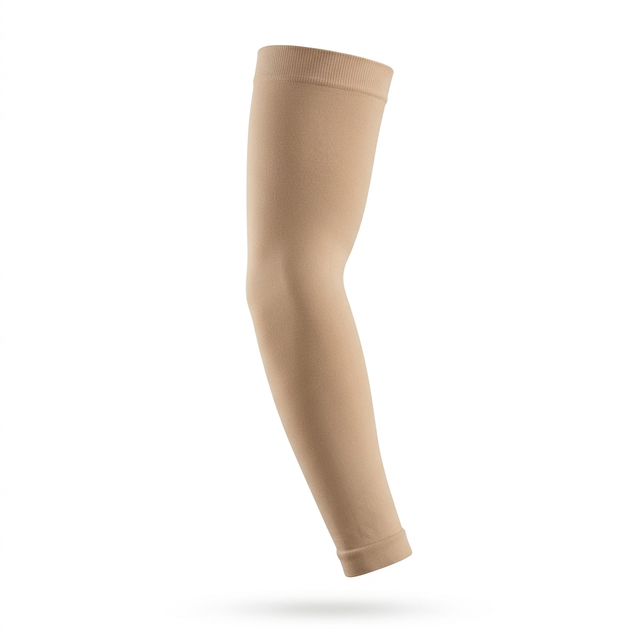 Compression arm sleeves
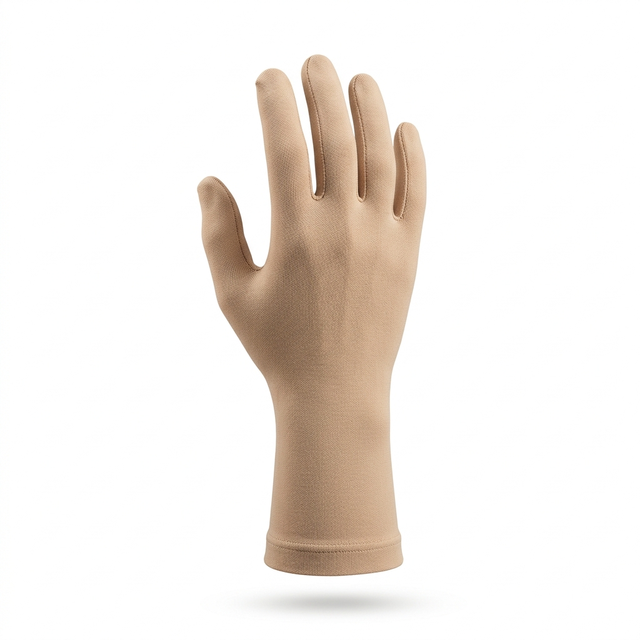 Compression gloves & gauntlets
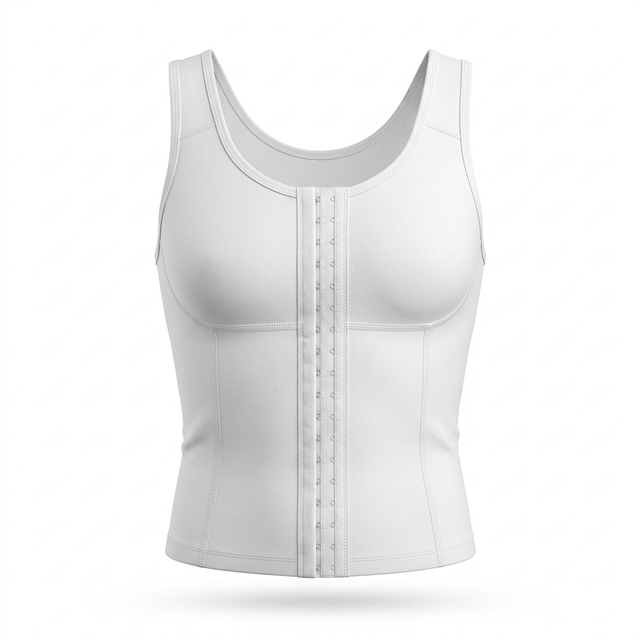 Compression vests & chest garments
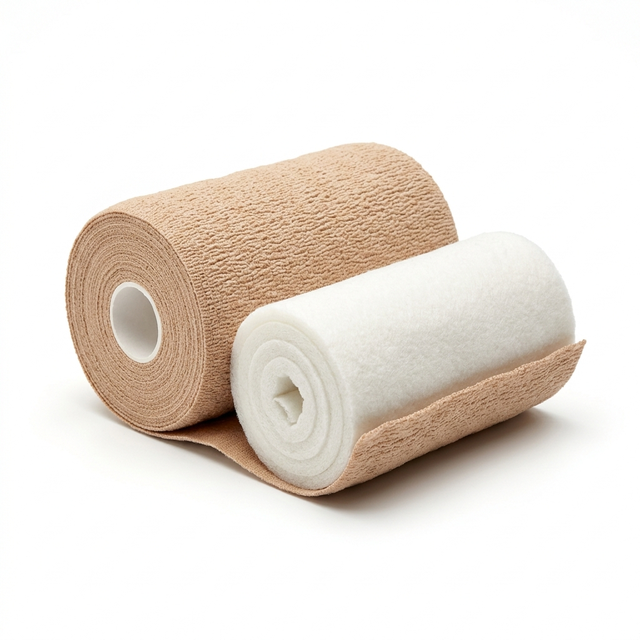 Scar & burn compression garments
Compression questions
Compression, answered
Which compression class do I need?
What is the difference between BK and AK compression stockings?
How long do compression stockings last?
Are compression stockings supposed to be uncomfortable?
Can I sleep in my compression stockings?
When should compression not be worn?
What is the difference between flat-knit and circular-knit compression?
Does medical aid cover compression garments in South Africa?
Do you fit compression garments at home or in hospital?
Is this a private practice, and how does payment work?
Get your compression measured properly
Bring your referral, your current compression garment, or just the leg that is bothering you. We will measure, explain the class and length you need, and quote before anything is ordered.
Compression fitting at our Morningside rooms, or at your home or hospital bed across Pretoria, Midrand, Johannesburg and greater Gauteng.